Covered in this section:
- Welcome to Rome
- Expense Responsibility
- Passport and Visa Requirements
- Travel Information
- Practical Information
- Currency and VAT Information
Rome Welcomes You to the 2027 IPSA World Congress!
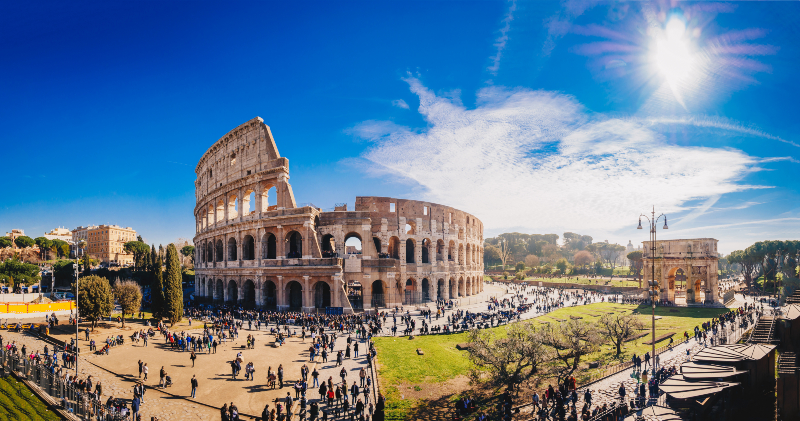 History
Welcome to a city that has been at the heart of the European and Western history for more than 2,500 years. Standing as the only city in the world to host a foreign state within its borders – the enclave of the Vatican City - Rome brings an unparalleled depth to the 2027 IPSA World Congress. The city’s ancient heritage is evident in numerous sites, including the Colosseum, the Pantheon, the Roman Forum, the Trevi Fountain, and the Navona Square. The careful preservation of these sites has earned its entire historic city a place on the UNESCO World Heritage List.
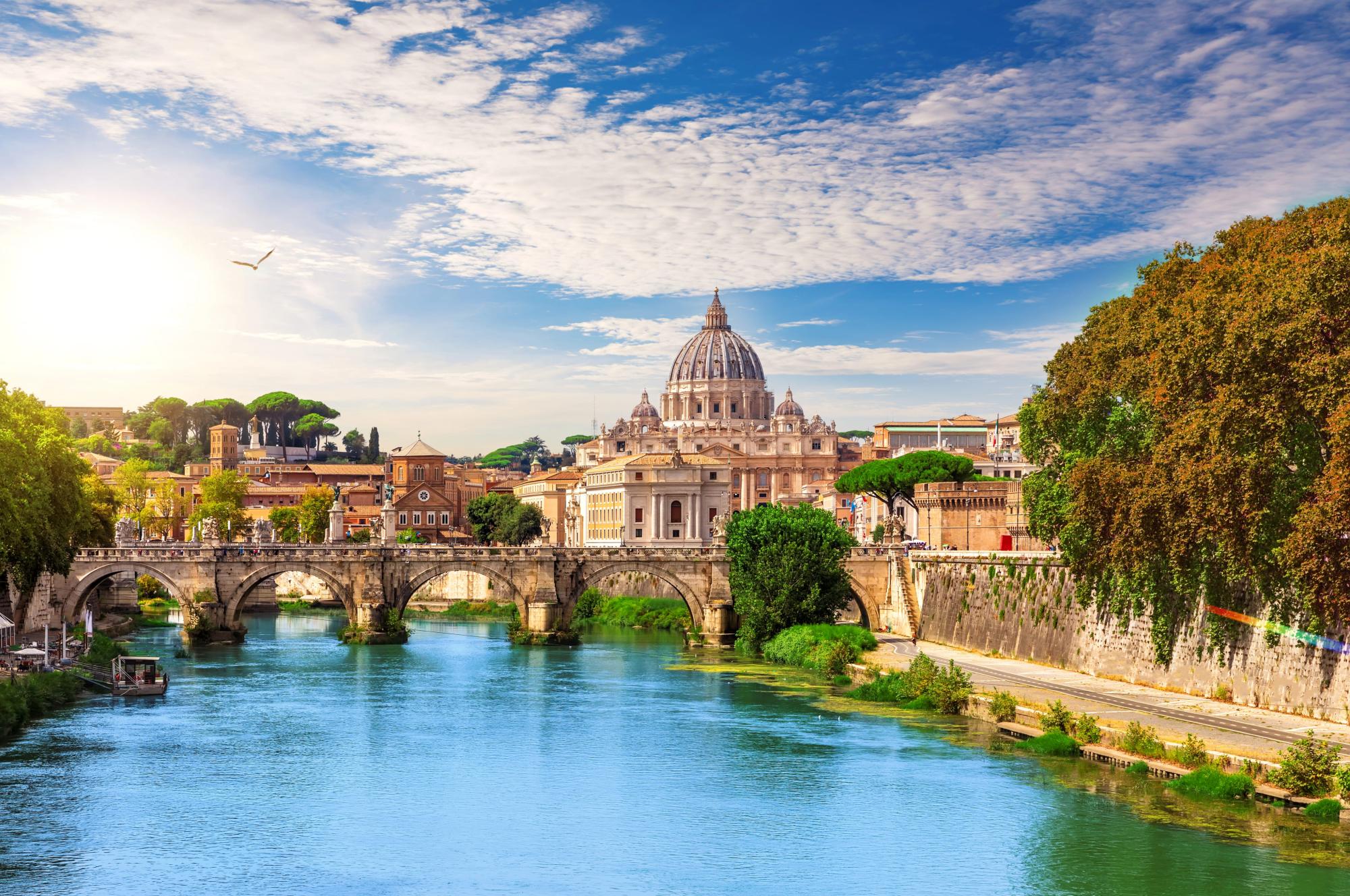 The Living Palimpsest
Rome is a layered, living museum with a unique blend of ancient ruins and vibrant modern life. This is evident in the city's architectural fabric, where you can find examples of contemporary design, such as Richard Meier’s sleek Ara Pacis Pavilion, enclosing a 2,000-year-old sacrificial altar right along the historic banks of the Tiber River. Whether you explore the subterranean ruins beneath a Renaissance Basilica or marvel at the bold, rationalist architecture of the EUR district, you will have the opportunity to appreciate Rome's distinctive character as a city where the past is never just history.
 Explore Italian Cuisine
Visitors to Rome often leave with glowing mentions of their Italian culinary experiences. This come as no surprise, given that Italian cuisine is officially recognized as an Intangible Cultural Heritage of Humanity by UNESCO. In addition to local Roman favorites such as carbonara, cacio e pepe, and authentic Roman-style pizza, there is a long list of trattorias and osterias specializing in the diverse cuisines of Italy’s various regions.
Five Must-see Sites in Rome
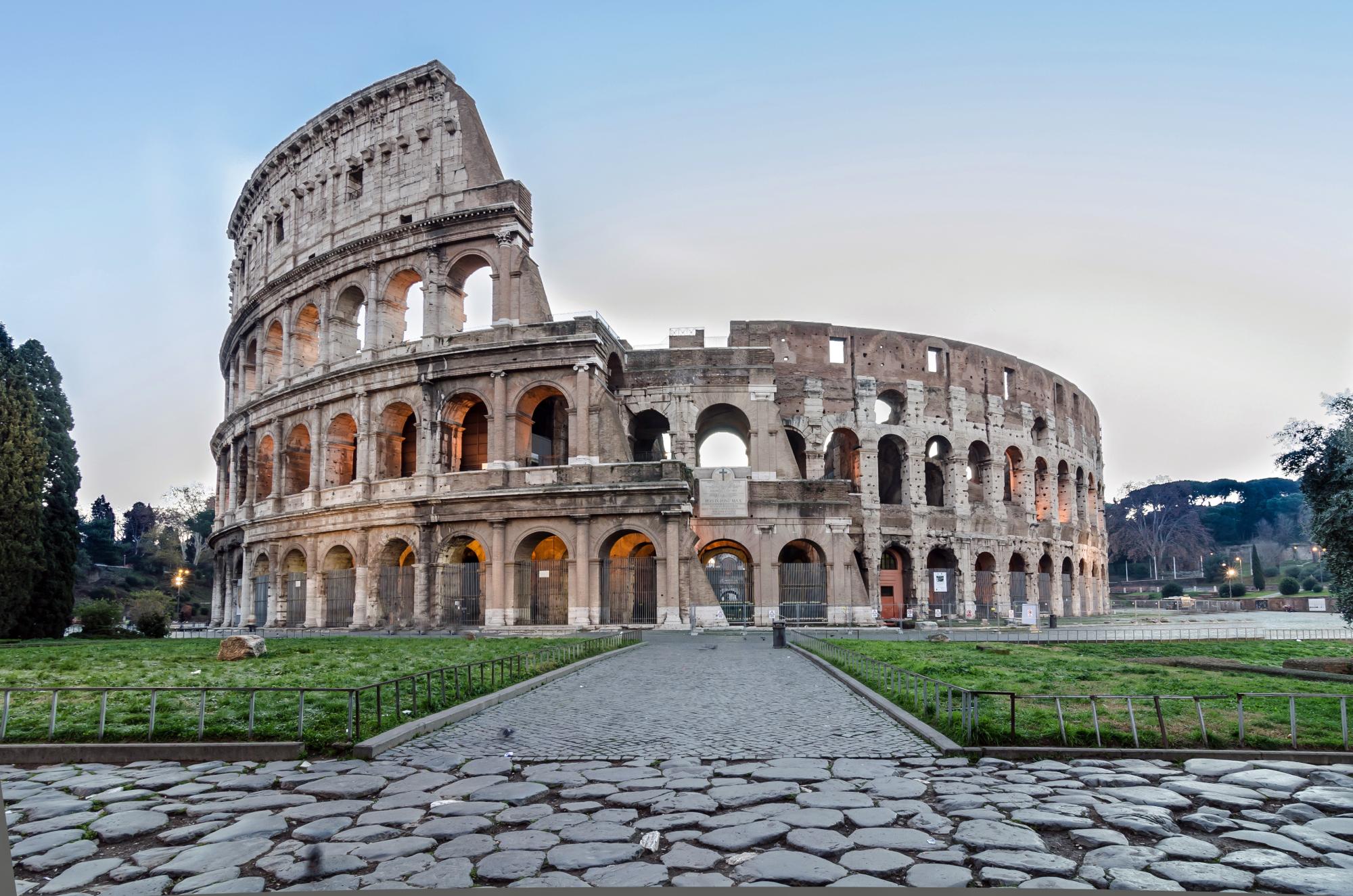 1. The Colosseum: The Colosseum is the largest amphitheatre from the Roman Era, and it is the only monument in Europe to be recognized as one of the seven wonders of the modern world. Commissioned by Emperor Vespasian around 72 AD as a grand gift to the Roman people, this architectural marvel could host over 50,000 spectators for gladiatorial combats, theatrical dramas, and public spectacles. Despite enduring centuries of damage, its iconic, freestanding vaulted structure remains a breathtaking global symbol of Rome's ancient engineering prowess and cultural legacy.
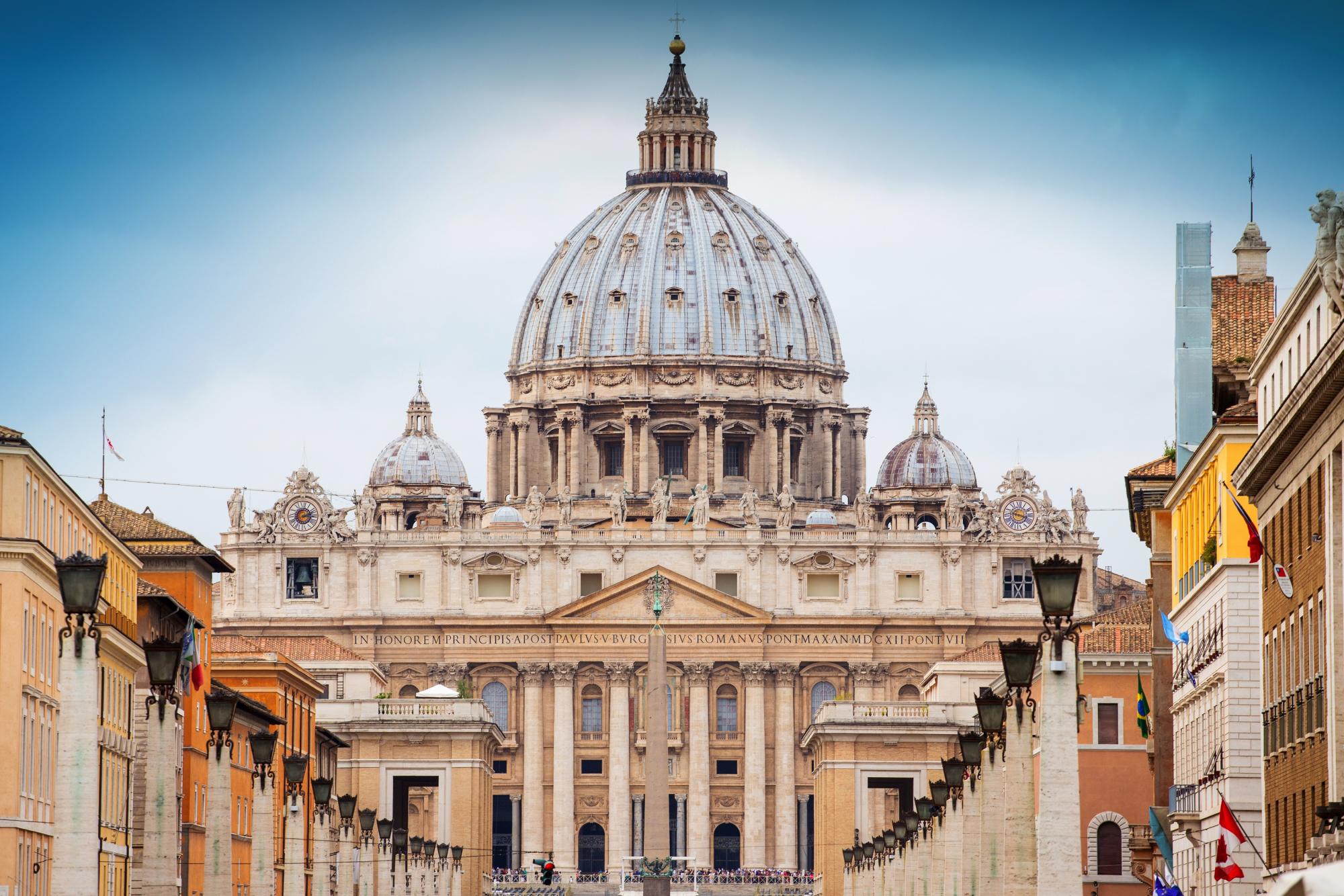 2. St Peter's Basilica
St. Peter's Basilica is a major Renaissance church located within the Vatican, notable for its large scale and prominent dome. Constructed over a span of 120 years, its design and construction involved several prominent architects of the era, including Bramante, Michelangelo, and Bernini. The basilica is traditionally believed to be built over the burial site of Saint Peter, one of Jesus's apostles. It serves as a central site for Catholic pilgrimage, holds a vast collection of historic artwork, and stands as one of the largest religious structures in the world.
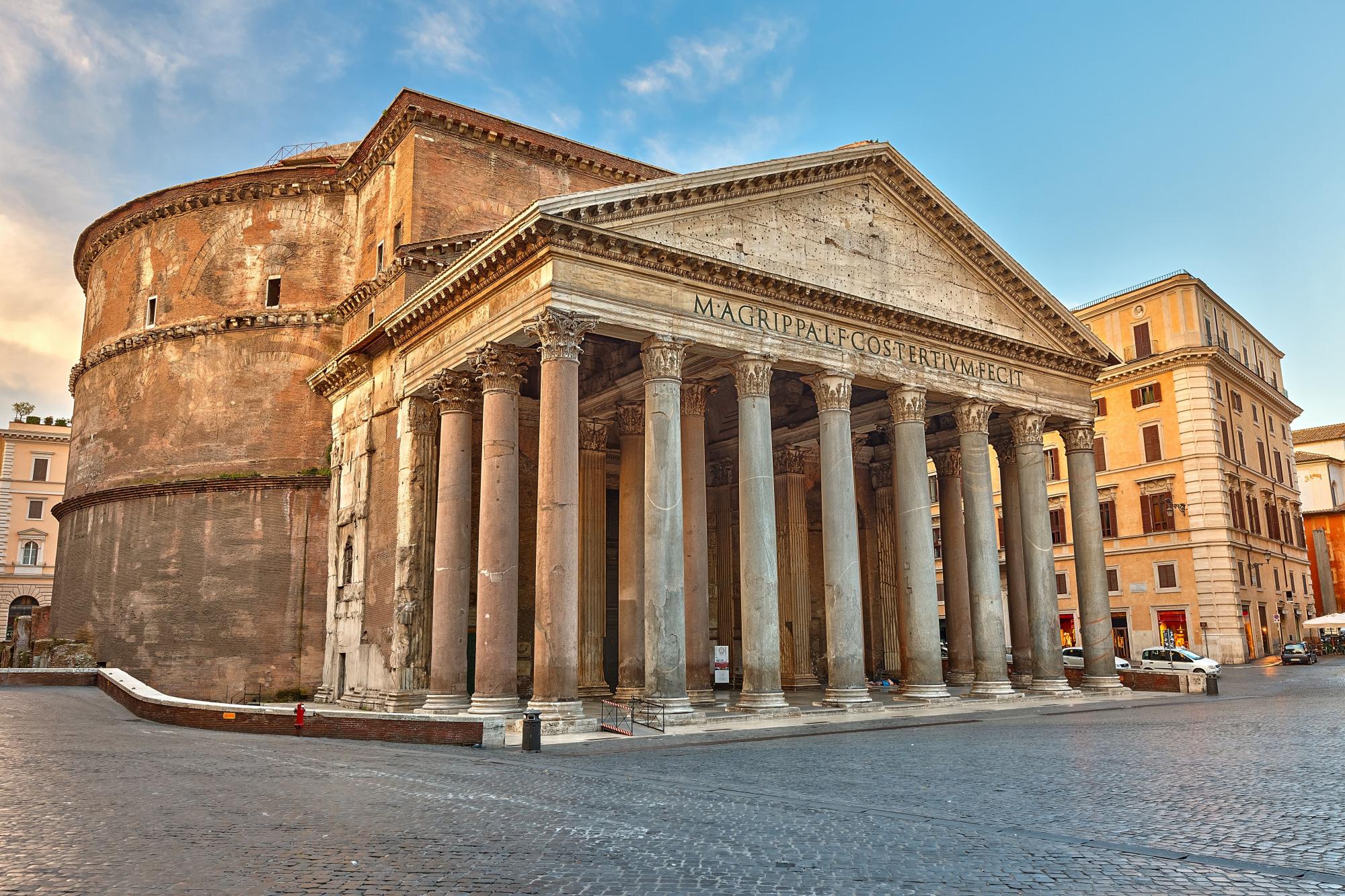 3. The Pantheon
The Pantheon is a remarkably well-preserved ancient Roman temple, best known for its massive concrete dome and the oculus, which is a central opening that leaves the interior open to the sky. First commissioned by Marcus Agrippa and later rebuilt by Emperor Hadrian around 126 AD, the building stands as a major achievement of classical engineering. Its survival is largely due to its conversion into a Christian church in 609 AD, now called the Basilica of St. Mary and the Martyrs.
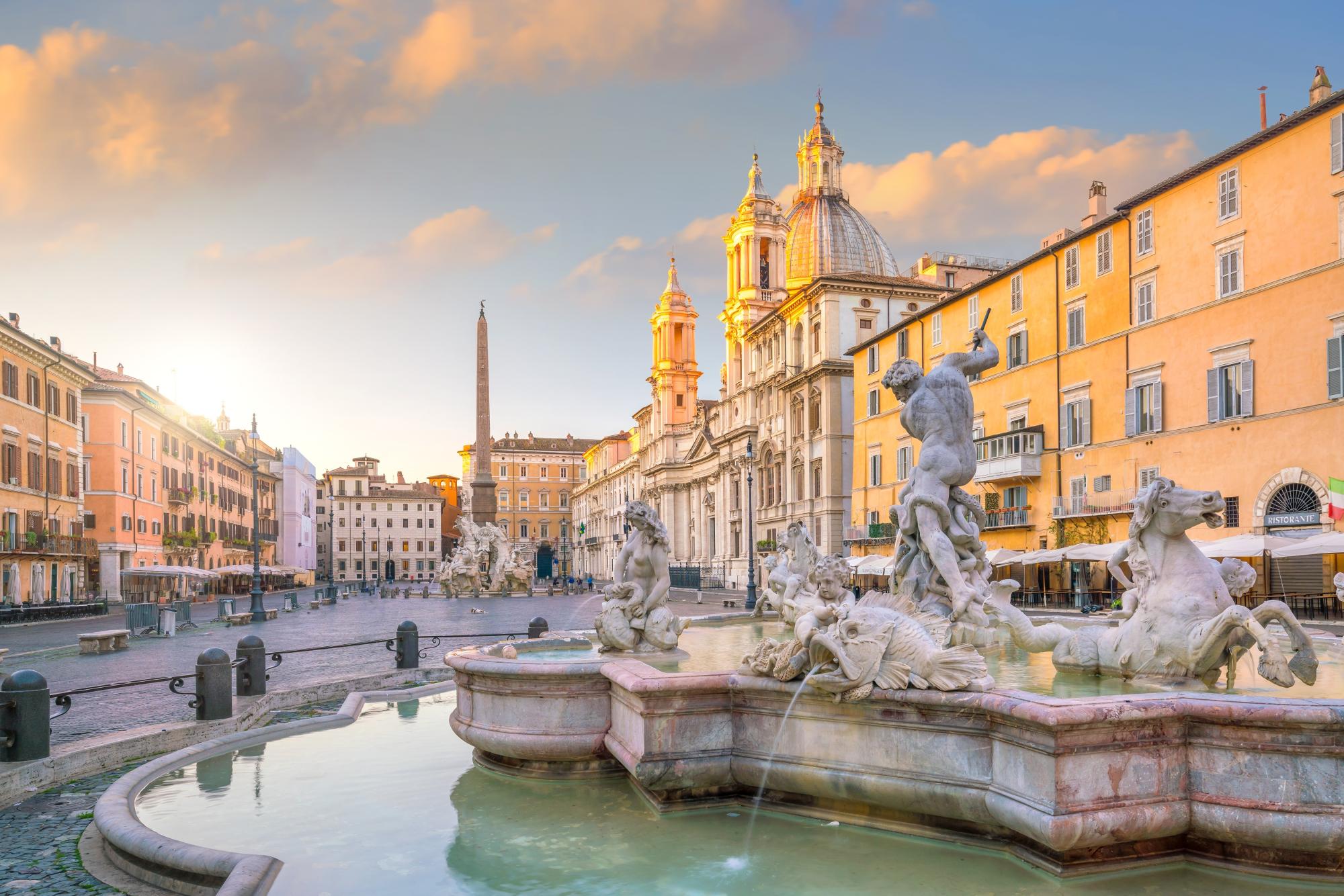 4. The Navona Square
The Navona Square or Piazza Navona is one of the most important squares in Rome and it was built over the site of the 1st-century of the Stadium of Domitian. The square still follows the elongated, open shape of the ancient athletic stadium that once stood there. Developed into a significant public space during the 15th century, it features prominent Baroque architecture, including Gian Lorenzo Bernini’s famous Fountain of the Four Rivers and the church of Sant'Agnese in Agone.
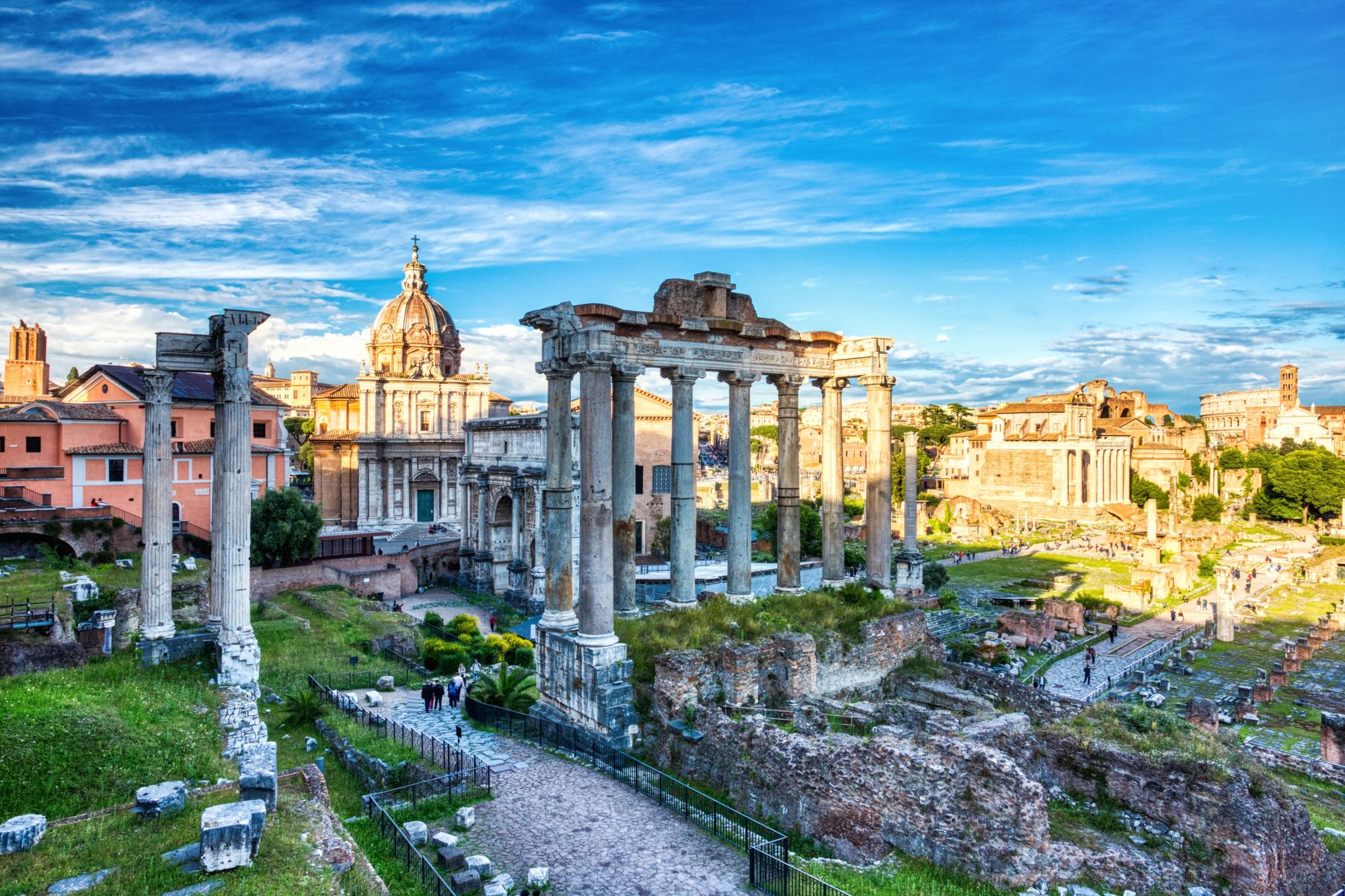 5. The Imperial Fora
The Imperial Fora in Rome consist of a series of monumental public squares constructed between 46 B.C.E. and 113 A.D. Initiated by Julius Caesar to expand the overcrowded Roman Forum, successive emperors built their own distinct plazas to serve as centers of politics, religion, and commerce. These interconnected complexes featured grand temples, basilicas, and colonnades that showcased the wealth and authority of the empire. The archaeological site runs along the Via dei Fori Imperiali, offering a clear timeline of Rome's architectural and political evolution during the transition from Republic to Empire.
Expense Responsibility
All expenses related to travel, visa, accommodation, and meals are the sole responsibility of the participating delegate. Kindly make the necessary arrangements and budget considerations to cover these aspects of your attendance.
Passport and Visa Requirements
Visitors entering the Italian Republic (Italy) are required to hold a valid passport and visa. Nationals of visa waivers or visa-free countries may enter the country without a visa for tourism purposes only. For any other purposes, such as employment or education, proper visas are required. Nationals of non-visa waiver countries must apply for visas at the nearest Italian embassy or consulate before entering Italy. If you are from a European Union country, the European Economic Area, or Switzerland, you can travel to Italy using a valid ID card or passport – a document confirming the identity and citizenship.
For more information, please visit the Il Visto per l'Italia Portal and the European Travel Information and Authorisation System (ETIAS) website.
Visa-free Countries
Nationals of the following countries are allowed to enter and stay in Italy for up to 90 days within a 180-day period of visa-free sojourn for tourism or visitation purposes. Please note that visa-free travelers from the countries below will eventually need to register via the upcoming European security system (ETIAS). To learn more about the EU visa policy, visit the European Commission Visa Policy Page.
Use the Schengen Visa Wizard to find out if you need a visa or the Schengen Visa Application Process: Step-by-Step Guide.
| Continent | Country / Region |
| Asia 9 countries |
Brunei, Hong Kong, Japan, Macao, Malaysia, Singapore, South Korea, Taiwan, Timor-Leste |
| Americas 26 countries |
Antigua & Barbuda, Argentina, Bahamas, Barbados, Brazil, Canada, Chile, Colombia, Costa Rica, Dominica, El Salvador, Grenada, Guatemala, Honduras, Mexico, Nicaragua, Panama, Paraguay, Peru, Saint Kitts & Nevis, Saint Lucia, Saint Vincent & the Grenadines, Trinidad & Tobago, United States, Uruguay, Venezuela |
| Europe (outside Schengen Area) 14 countries |
Albania, Andorra, Bosnia-Herzegovina, Georgia, Kosovo, Moldova, Monaco, Montenegro, North Macedonia, San Marino, Serbia, Ukraine, United Kingdom, Vatican City |
| Oceania 11 countries |
Australia, Kiribati, Marshall Islands, Micronesia, New Zealand, Palau, Samoa, Solomon Islands, Tonga, Tuvalu, Vanuatu* |
| Africa & Middle East 4 countries |
Israel, Mauritius, Seychelles, United Arab Emirates |
*Visa-waiver agreement with Liberia has been temporarily suspended as from 4 May 2022 as regards citizens of Vanuatu holding an ordinary passport issued by Vanuatu as of 25 May 2015. Source: Il Visto per l'Italia Portal
Travel Information
Traveling to Rome
 Italy offers a comprehensive network of domestic and international airports. Arriving at Leonardo da Vinci (Fiumicino) in Rome, travelers have several options to reach downtown, including the quick Leonardo Express train and the affordable FL1 Regional Train. Additionally, multiple private shuttle bus companies operate direct routes from the terminal straight to the city's central Roma Termini Station. For a direct journey, official Rome city taxis offer a reliable flat rate of €55 to destinations inside the central Aurelian Walls, making it highly recommended to head straight to the official outdoor taxi rank rather than accepting unsolicited indoor offers. For more information on how to arrive in downtown from Fiumicino and from the Ciampino Airport (a smaller airport), please visit this webpage: https://www.turismoroma.it/en/page/plane.
Getting Around Rome
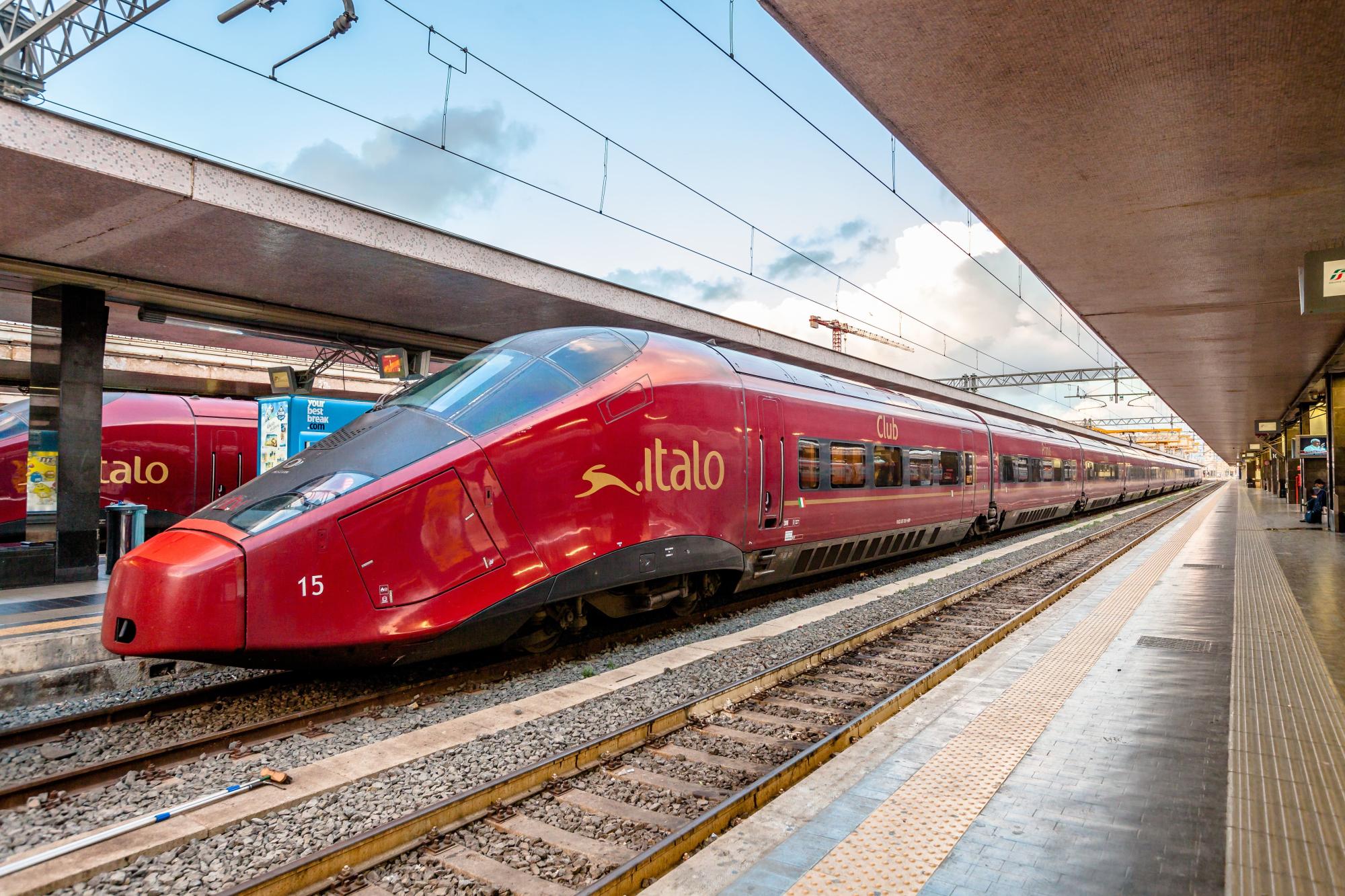 Rome has an extensive public transportation system that includes buses, trams, metro and train lines, making it easy to travel throughout the city. It is compulsory to purchase a ticket at an authorised sales outlet before boarding. A single e-ticket can be bought electronically by tapping in with a contactless bank card or NFC-enabled phone/watch through Tap&Go, or by purchasing and managing digital tickets in partner smartphone apps through Bipiù. Visitors may also consider purchasing a Roma Pass (48- or 72-hour option), which provides unlimited access to public transportation within the city, along with discounts and reduced admission to selected museums, monuments, and cultural attractions. The Metrebus Roma system offers several ticket and travel pass options for visitors and residents.
 TAXI
TAXI
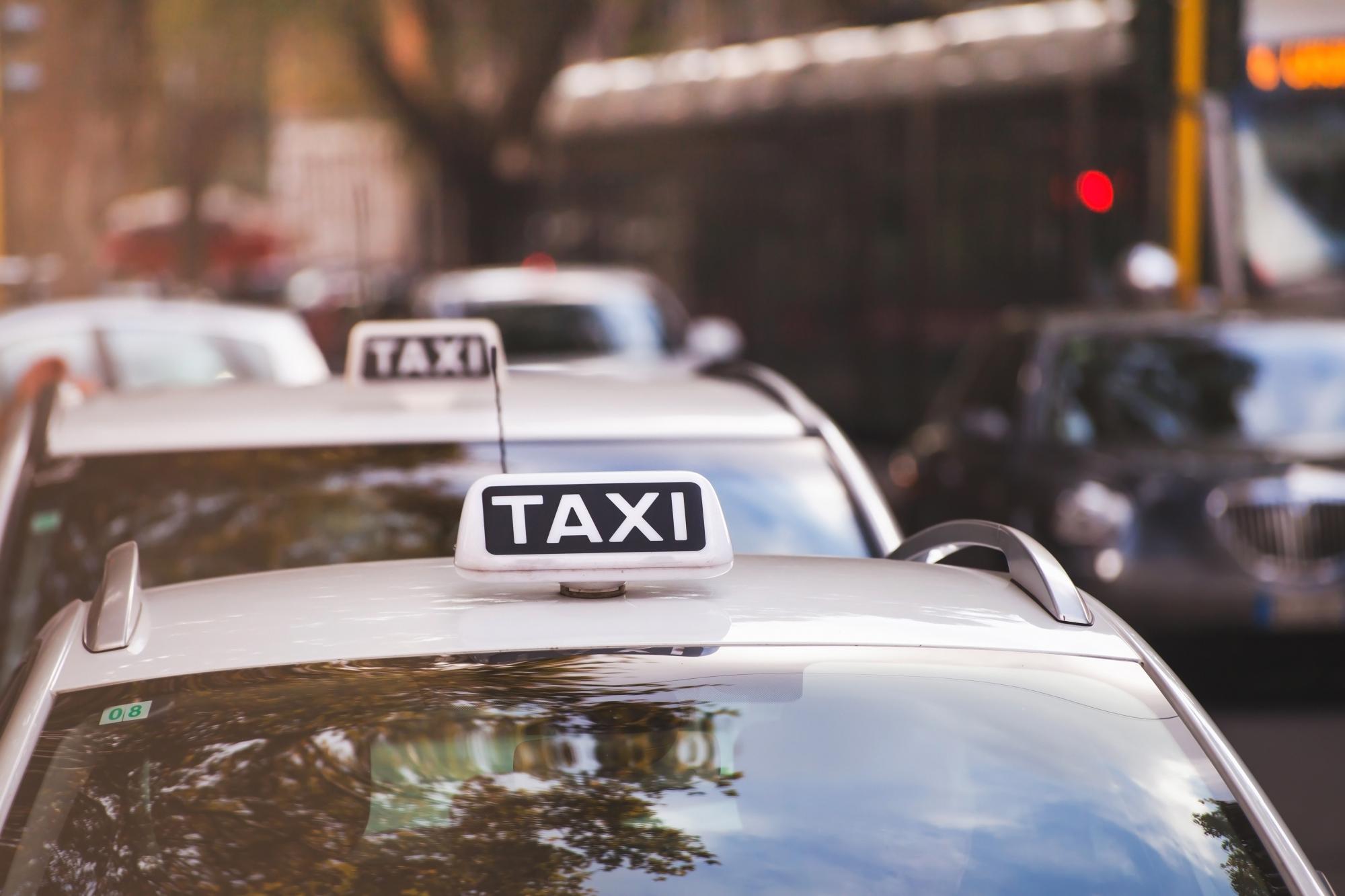
For shorter distances, taxis can be a convenient option. Official taxis in Rome are white and display a “TAXI” sign on the roof. All licensed taxis are equipped with a meter indicating the fare during the journey, although additional charges may also apply for luggage, late-night travel, and trips to and from the airports. Uber is also available in Rome, but quite limited due to strict local regulations. You can only request premium, licensed options such as Uber Black.
Travelling between big cities is even easier, thanks to high-speed trains in Italy: you can reach Rome from Milan in just over three hours. And you can do all this in comfort, thanks to the many services available on board, such as free Wi-Fi, catering, assistance for disabled people, childcare, transport for pets and bicycle storage.
Practical Information about Rome
Weather
Weather: Summers in Rome are hot, dry, and generally sunny. July and August are the hottest months, with average temperatures typically ranging from 22°C to 28°C (72°F to 82°F). During heatwaves, daytime temperatures can also rise to between 32°C and 35°C (90°F to 95°F), or even higher. We recommend wearing lightweight, breathable, and light-colored clothing. Sunscreen, a hat, sunglasses, and regular hydration are essential. It is also advisable to avoid prolonged exposure to the midday sun.
Liability and Insurance
The IPSA Secretariat and local organizers cannot accept liability for personal accidents or loss of or damage to private property of participants. Participants are advised to take out their own personal travel and health insurance for their trip.
Currency and VAT Information
Currency Exchange
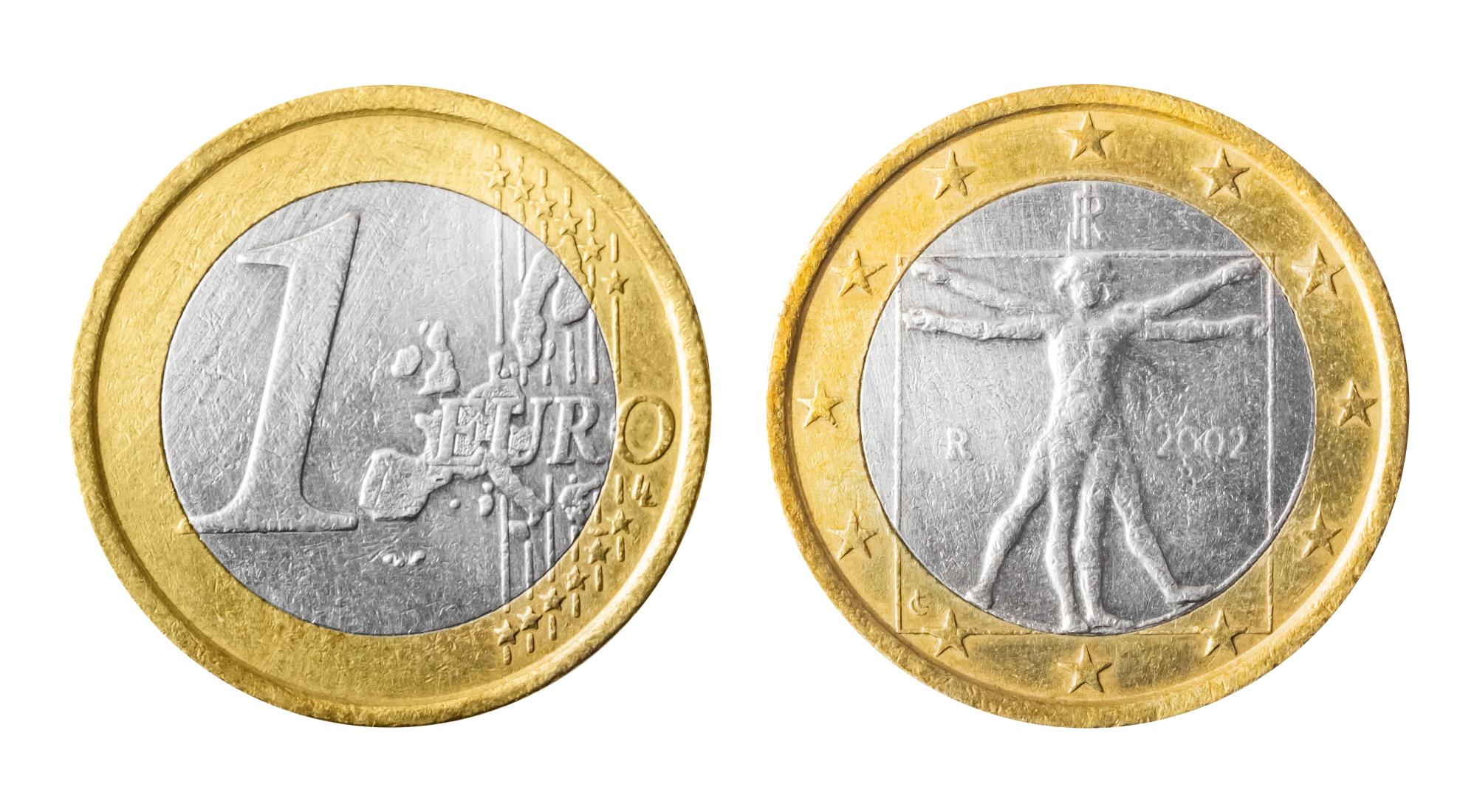 Italy’s official currency is the Euro (€), designated by the international code EUR. The best and safest way to get Euros in Italy is by withdrawing cash directly from a local bank ATM (called a Bancomat), banks, post offices or a physical exchange desk at major international airports (e.g., Fiumicino in Rome).
Payment Methods
Credit card: Credit cards are accepted at most stores, restaurants, hotels and tourist attractions throughout the country. You can pay by credit card for any amount, small or large. Businesses accept a variety of credit cards, including Visa, Mastercard and American Express.
Traveler's checks: Traveler's checks are not used or accepted in many banks in Italy. It is suggested to use the ATM.
Note: You will be required to present a passport or resident card when exchanging currency. You can exchange up to $10,000 at a time. A customs declaration is required to exchange currency in excess of this amount.
Value-Added Tax (VAT) Reimbursement
In Italy VAT is called Imposta sul Valore Aggiunto (IVA). Non-residents of the European Union can sometimes reclaim a percentage on this VAT when exiting Italy with the goods stored in their baggage. To qualify, you must spend a minimum of €70.01 in a single store on the same day, obtain a tax-free form, and have your goods and paperwork validated by customs before leaving the EU.